Is Your Tile Roof Ready for the Next Summer Storm? 7 Warning Signs Brisbane Homeowners Shouldn’t Ignore
Brisbane summers are relentless on tile roofs. Weeks of intense heat are often followed by sudden downpours, strong winds and heavy humidity. While your roof may look fine from the street, hidden weaknesses can quickly turn into serious leaks during storm season.
For Brisbane homeowners, February is often when small roofing issues become expensive emergencies. The good news is that most storm damage is preventable when caught early.
Here are the critical warning signs your tile roof may not be ready for the next summer storm.
1. Why February Storms Expose Hidden Weaknesses in Brisbane Tile Roofs
February brings the perfect storm conditions. Prolonged heat dries and expands mortar. Then heavy rain rapidly cools surfaces and forces water into tiny cracks.
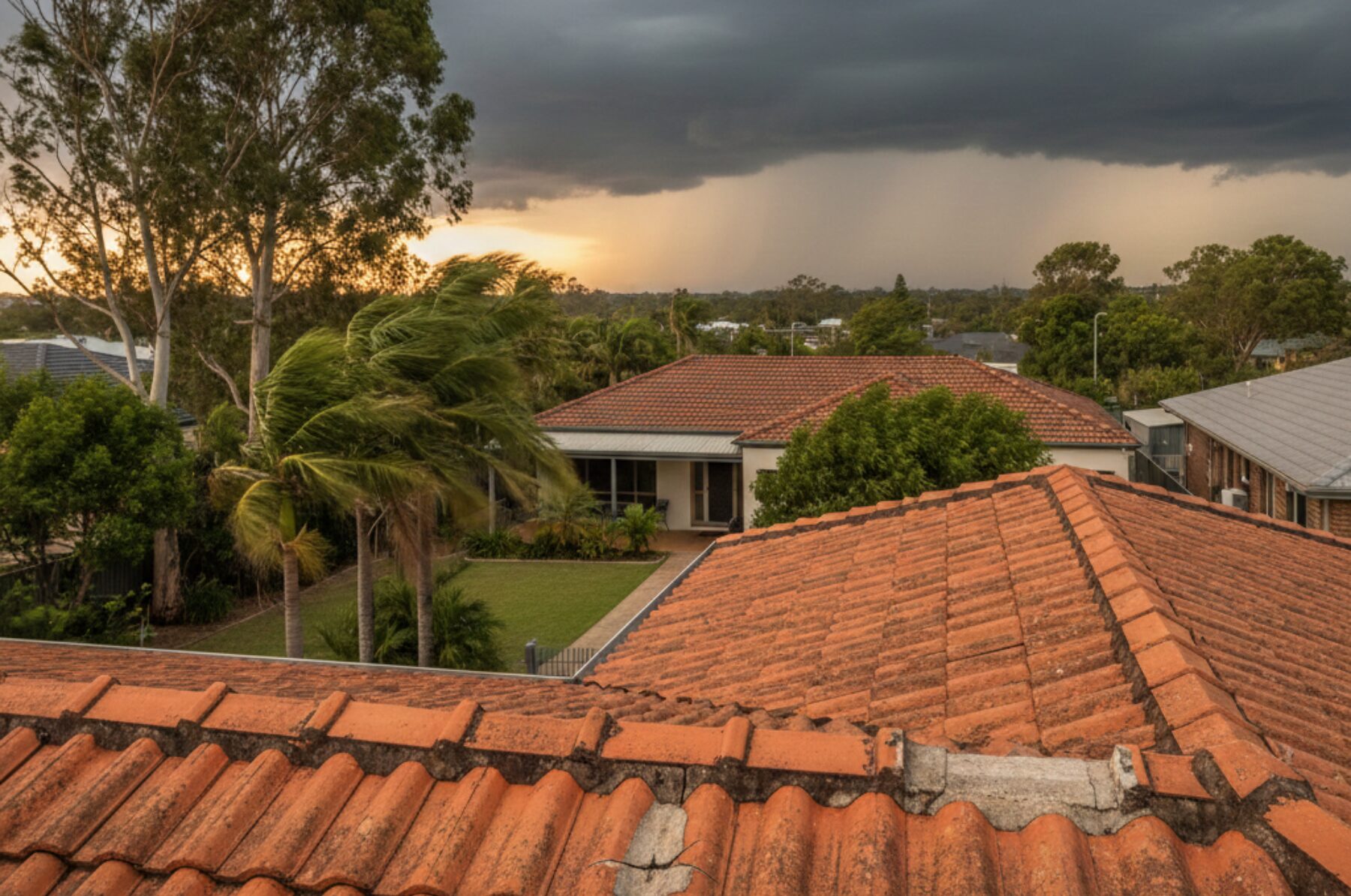
Concrete and terracotta tiles shift slightly during temperature changes. Over time, this movement weakens bedding and pointing. When the next downpour hits, water finds its way beneath ridge caps and into the roof cavity.
Many Brisbane homeowners only discover issues after internal damage appears. By then, the repair cost is significantly higher.
Regular roof inspections before and during storm season are one of the smartest ways to protect your home.
2. Loose or Cracked Ridge Caps After Heavy Rain: A Major Red Flag
Ridge caps sit along the highest points of your roof and are essential for keeping water out. If the mortar securing them begins to crack or crumble, water can enter quickly.
After heavy rain or wind, look for:
- Visible gaps along ridge lines
- Cracked or flaking mortar
- Ridge caps that appear lifted or misaligned
Loose ridge caps are one of the most common causes of tile roof leaks in Brisbane. Professional repointing with flexible compounds restores strength and seals vulnerable areas before further storms hit.
3. Damp Ceilings & Water Stains: The Leak You Can’t Afford to Ignore
Brown ceiling stains, bubbling paint or sagging plaster are clear signs that water has already entered your home.
Many leaks travel along rafters before dripping down, which means the visible stain may not sit directly under the problem area. Delaying repairs can lead to:
- Damaged insulation
- Rotting timber
- Electrical risks
- Costly ceiling replacements
If you notice any internal moisture marks, it is critical to organise a roof inspection immediately.
4. Mould Growth in Humid Weather: The Silent Sign of Roof Failure
Brisbane’s humidity accelerates mould growth when moisture is present. If water is entering through cracked tiles or failing pointing, mould can form in the roof cavity long before visible leaks appear.
Warning signs include:
- Musty smells in ceiling spaces
- Dark patches on ceilings or cornices
- Increased allergy symptoms indoors
Mould is not just a cosmetic issue. It can affect air quality and structural materials. Identifying the moisture source early protects both your property and your family’s health.
5. How Small Tile Cracks Turn Into Major Storm Damage Fast
A single cracked tile might not seem urgent. However, during heavy rainfall, even small fractures allow water to seep beneath the tile layer.
Once water penetrates underlay and sarking, damage spreads rapidly. Wind driven rain can worsen the issue in one severe storm.
Replacing cracked or slipped tiles early is far more affordable than repairing widespread internal water damage after a storm event.
6. The Insurance Risk Most Homeowners Don’t Realise Until It’s Too Late
Many homeowners assume insurance will cover storm related roof damage. However, insurers often assess whether the roof was properly maintained.
If damage is found to be the result of long term neglect such as deteriorated pointing, loose ridge caps or unrepaired cracks, claims can be reduced or denied.
Routine inspections and timely maintenance help demonstrate responsible upkeep. This protects both your home and your insurance position.
7. Early Roof Repairs vs Post-Storm Damage: The Real Cost Difference
The cost difference between early repairs and major storm restoration can be significant.
Early intervention typically involves:
- Replacing a few cracked tiles
- Repointing ridge caps
- Securing loose bedding
Post storm damage may require:
- Ceiling replacements
- Structural timber repairs
- Mould remediation
- Full roof restorations
Addressing minor issues early almost always results in lower overall costs and less stress.
8. Book a Professional Post-Storm Roof Inspection Before the Next Downpour Hits
If your roof has endured recent storms or you have noticed any warning signs, now is the time to act.
A professional tile roof inspection includes:
- Checking every ridge tile
- Assessing bedding and pointing condition
- Identifying cracked, slipped or broken tiles
- Locating potential water entry points
An accurate assessment ensures you only pay for what your roof genuinely needs, with no hidden surprises.
Brisbane Tile Roof Restorations has been operating in Queensland since 1981. Our licensed and fully qualified team specialises exclusively in tile roofs. We handle everything from targeted repairs and repointing to complete restorations. We proudly service north Brisbane and the southside, and we have never been beaten by a roof leak.
Do not wait for visible ceiling damage to confirm there is a problem.
Call 0413 432 014 today to request your free quote and professional roof inspection before the next summer storm arrives.


About Post Author
